
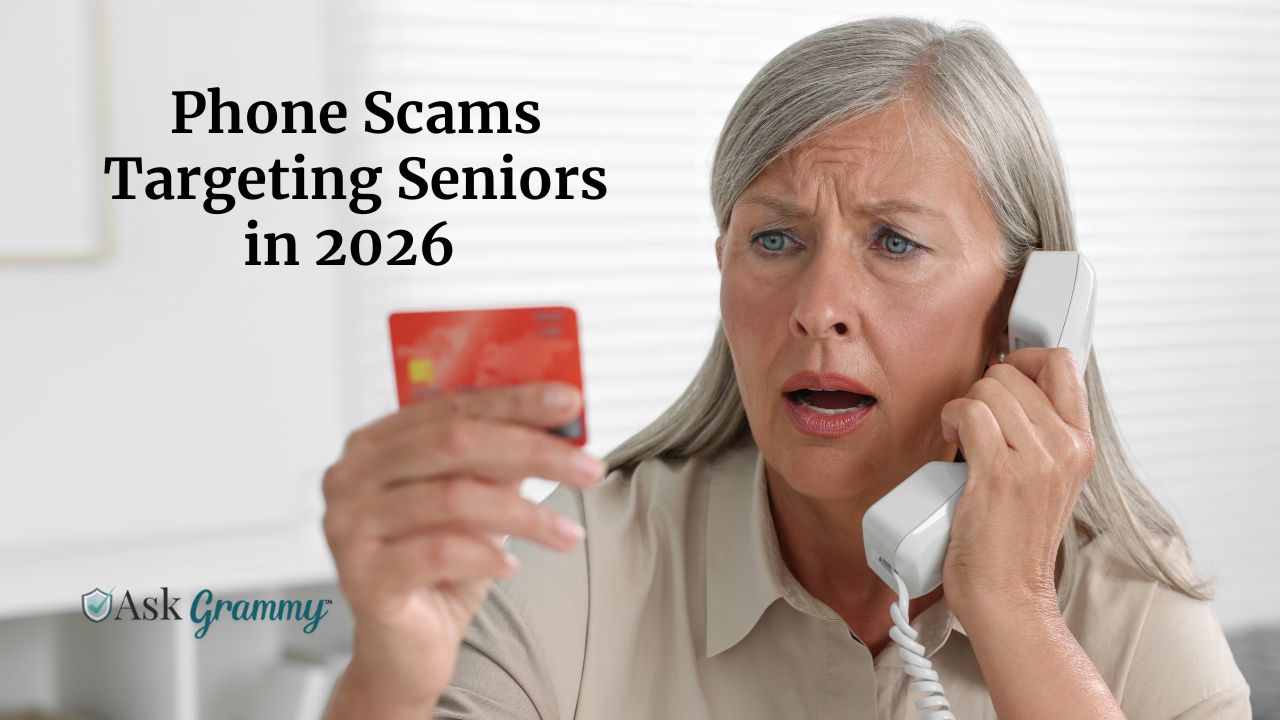
Hello, friends! It’s Grammy here, and today I want to talk about something very important—phone scams. These sneaky calls have been on the rise, and unfortunately, folks in the 60+ age range (like me) are often the main targets.
Why Are Phone Scams Increasing?
Scammers are getting craftier every year. In 2026, they’re using more believable tactics to trick people into giving away personal information or money. These calls might seem urgent or scary, but it’s important to remember: You’re not alone, and there are ways to protect yourself.
Common Phone Scams Seniors Should Watch For
Here are a few of the most common scams making the rounds right now:
- The “IRS” or Government Official Scam
Someone calls pretending to be from the IRS or Social Security, threatening arrest or fines if you don’t pay immediately. - The “Grandchild in Trouble” Scam
A caller pretends to be a relative needing money fast for an emergency. - Fake Prize or Lottery Calls
You’re told you’ve won money or a prize—but you have to pay fees upfront to claim it. - Tech Support Scams
Someone calls claiming your computer is infected and offers fake help—for a price.
How to Protect Yourself From Phone Scams
Here are Grammy’s trusted tips to keep your phone safe:
- Never give personal information over the phone unless you initiated the call and are sure who you’re speaking with.
- Hang up if you feel pressured, threatened, or confused. Legitimate organizations don’t demand immediate payment over the phone.
- Register your number with the National Do Not Call Registry at donotcall.gov. It won’t stop all calls, but it helps reduce unwanted sales calls.
- Ask for details and call back on an official number. If you get a suspicious call, write down the caller’s name and number, then call the organization directly using a number from their official website. For example, if the caller claims to be from your bank, hang up and call your bank directly (NOT at the number they may have provided for you!)
- Talk about it. Share suspicious calls with family, friends, or your community so others don’t fall for the same trick. Or, send an email to Grammy at chris@askgrammy.com.
What To Do If You Think You’ve Been Targeted
If you think a call was a scam, report it to the Federal Trade Commission (FTC) at reportfraud.ftc.gov. Reporting helps protect others and may stop scammers.
Remember: You’re Not Alone, and You Can Stay Safe
Phone scams are scary, but with a little caution, you can protect yourself and your loved ones. Here at Ask Grammy, I’m here to help you spot scams and keep your peace of mind.
Check back often for the latest scam alerts and safety tips.
Stay safe, and remember, Grammy’s got your back!