
Summary
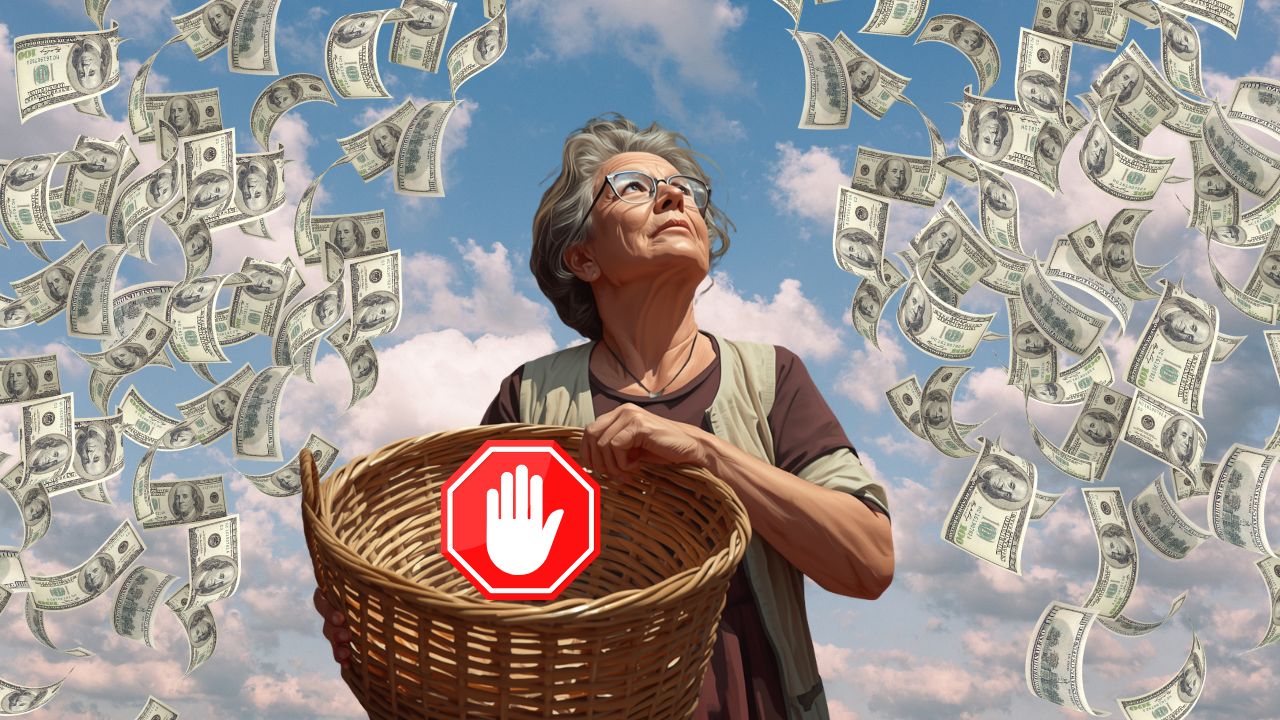
Scammers are having a field day with tariff refund headlines - and they're counting on your confusion. Here's what's real, what's fake, and the one question that tells you instantly which is which.
Here’s what’s real, what’s fake, and how to tell the difference.
You’ve probably seen the headlines. The Supreme Court struck down most of President Trump’s tariffs earlier this year, and now the government is processing refunds. We’re talking about $166 billion dollars being paid back.
That sounds like it could mean money in your pocket, right?
That’s exactly what the scammers are counting on.
Friends, the texts are flying. The emails are flooding inboxes. The robocalls are ringing off the hook. And every single one of them is trying to convince you that you’re owed a check – and that you just need to hand over a little information (or a little money) to claim it.
Let’s slow down and talk through what’s actually happening, because there’s real news here mixed in with a whole lot of garbage.
What’s Actually True About the Tariff Refunds
Here’s the real story, in plain English.
For the past couple of years, companies that imported goods – sneakers, electronics, furniture, you name it – were paying tariffs (think of them as import taxes) on those products. Many of those companies passed that extra cost along to us in the form of higher prices.
In February 2026, the Supreme Court ruled that most of those tariffs were illegal. So the government set up a portal to pay the money back – $166 billion, plus interest.
Here’s the catch: that portal is for businesses, not individuals. Only the company that officially paid the tariff to U.S. Customs – called the “importer of record” – can file a claim. Regular shoppers like you and me cannot apply.
Some companies have promised to pass savings along to customers. Costco said it might lower prices. FedEx and UPS, which sometimes pay customs fees directly on behalf of shippers, have pledged to refund those customers specifically. But there’s no timeline, no guarantee, and no check with your name on it coming in the mail.
If you want any share of that $166 billion, you’d likely have to wait for a class action lawsuit to work its way through the courts – and that could take years.
So to be crystal clear: the government is not sending tariff refund checks to individual consumers right now. No one is. Not a single one.
Now Here Come the Scammers
Of course they saw this coming. Scammers are nothing if not fast readers of the news.
The IRS issued a warning about this back in March. Teresa Murray of U.S. PIRG, a consumer watchdog group, has been tracking these scams and says they show up in a few different flavors.
The “You’re Owed a Check” Text or Email You get a message saying you qualify for a tariff refund – sometimes they throw out a number like $2,000 – and you just need to click a link and verify your information. That link leads to a fake website designed to steal your personal data, your Social Security number, or your banking details. One version of this email even redirected people to a page selling gold. Clever, right? Not in a good way.
The “We Need Your Mailing Address” Play A scammer contacts you to let you know your tariff refund check is ready, they just need to confirm where to send it. Here’s a good clue the IRS itself pointed out: the federal government has been moving away from paper checks. They wouldn’t need your mailing address to send you money. They’d use direct deposit – and they definitely wouldn’t contact you out of the blue to set it up.
The Fake Check With a “Processing Fee” This one is an old con in new clothes. You receive what looks like a tariff refund check in the mail. You’re told to deposit it and send back a small processing fee or taxes on the amount. The check bounces. The fee is gone. Classic counterfeit check scam, wrapped in tariff language.
The “Package Stuck in Customs” Delay This version targets online shoppers. You ordered something, it hasn’t arrived, and you get a message saying your package is being held up because of tariff complications – and you owe a fee to release it. The BBB has received a flood of complaints about this one. Real retailers don’t charge you after the sale is complete. If someone is asking for extra money to release your package, that package probably doesn’t exist.
How to Know It’s a Scam Every Time
Here’s Grammy’s simple test. Ask yourself these questions:
Did you apply for anything? If you didn’t file a claim through an official government portal, you are not receiving a refund. Period. Refunds don’t just show up out of nowhere.
Is someone contacting you first? The government doesn’t text, email, or DM you with good financial news. If someone reached out to you about money you’re owed, be very suspicious.
Are they asking for money to get money? That’s never how legitimate refunds work. Ever. If someone wants a fee, a processing charge, or a tax payment before they’ll release your refund, you’re being scammed.
Does it feel urgent? Scammers love urgency. “Act now.” “Limited time.” “Your check expires.” Real government programs don’t evaporate because you didn’t click fast enough.
What About That “$2,000 Tariff Dividend”?
You might have seen messages about a “$2,000 tariff dividend” or “tariff rebate check” that President Trump proposed. Here’s what’s true: he mentioned the idea. Here’s what’s also true: Congress has not approved it, no payment program exists, no checks have been sent, and no one knows if or when that will ever happen.
PolitiFact traced one of those emails – from a group calling itself “Major Gross Profit” – and found that clicking the link led to a page pushing gold purchases. That’s not a coincidence. That’s a scam dressed up in political headlines.
If a tariff dividend ever does become real, you’ll hear about it through official government channels – not through a text from a number you don’t recognize.
What You Should Do Right Now
Don’t click any links in unsolicited texts or emails about tariff refunds, tariff dividends, or packages held in customs.
Don’t call back any number that contacts you about this. If you’re curious whether something is legitimate, hang up and look up the official number yourself.
If you got a check in the mail that you weren’t expecting, don’t deposit it – even if it looks real. Call your bank first and ask them to verify it.
If you already clicked something or shared information, contact your bank immediately and place a fraud alert on your credit. You can do that for free at annualcreditreport.com or by calling any of the three major credit bureaus: Equifax, Experian, or TransUnion.
Report it to the FTC at ReportFraud.ftc.gov. It takes about five minutes and it helps protect the next person.
Look, I get it. Prices have been high. People are frustrated. And when you hear that the government is handing back $166 billion, it’s natural to wonder if any of it is coming your way.
That’s exactly why these scams work. They take something real – something that’s all over the news – and twist it just enough to make you act before you think.
Don’t let them do that to you.
If a tariff refund ever makes its way to individual consumers, I promise you’ll hear about it right here – and I’ll tell you exactly where and how to apply for real.
Until then, if someone contacts you about one? Delete it. And maybe laugh a little, because they really thought they could fool you.
They didn’t know you had Grammy in your corner. 😄
Got a question about a message you received? Drop it in the comments. If you’re seeing it, chances are someone else is too.
Quick note on sources: The tariff refund information in this post comes from AARP, NPR, the IRS, U.S. PIRG, PolitiFact, and the BBB – all reporting from March and April 2026. The scam landscape is moving fast, so check back for updates.