
Tax season is stressful enough without worrying about scammers pretending to be the IRS. Every year, fraudsters get more creative – and 2026 is no exception – using phone calls, texts, emails, and even cryptocurrency demands to try to steal money or personal information.
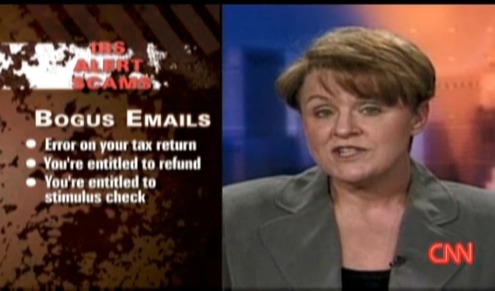
Every tax season, I hear from people who are feeling scared after receiving a message that claims to be from the IRS. Indeed, several years ago, I appeared as a guest expert on CNN Newsroom to discuss this very topic. If this has happened to you, take a breath. You’re not alone, and most of these messages turn out to be scams.
Knowing how to spot IRS tax scams – and what to do if you’re targeted – can help protect you and your family.
Common IRS Tax Scams to Watch For
Here are some of the most frequent scams hitting taxpayers in 2026:
Threatening IRS Phone Calls
Scammers call, claiming you owe back taxes and demand immediate payment. They often ask for payment by gift cards, wire transfer, or even cryptocurrency – and they may threaten arrest or lawsuits if you don’t pay.
Fake IRS Emails and Texts (Phishing)
You might get emails or texts saying you have a refund or there’s a problem with your tax return. These messages usually include links or attachments designed to steal your personal info.
Fraudulent Tax Preparers
Some “tax experts” promise quick refunds but end up stealing your refund or personal details instead. Always choose a trusted, verified tax preparer.
Social Security Number Verification Scams
Scammers may call, asking to “verify” your Social Security number – a tactic to commit identity theft.
How the Real IRS Communicates
Knowing the IRS’s official communication methods can help you spot fakes:
- The IRS only sends official letters by mail for tax issues.
- The IRS does not call, email, or text taxpayers out of the blue asking for payment or personal information.
- The IRS never demands payment with gift cards, prepaid debit cards, or cryptocurrency.
- The IRS will never threaten to send police or immigration agents to arrest you.
What To Do If You Get a Suspicious Call, Email, or Message
- Don’t give out any personal or financial information.
- Don’t click links or open attachments from suspicious emails or texts.
- Hang up immediately if you get a threatening call.
- Report the scam to the IRS at IRS.gov/Phishing.
- Forward phishing emails to phishing@irs.gov.
Protect Yourself All Year Round
- File your taxes early to reduce the chance of someone else filing a fake return in your name.
- Use a reputable tax preparer – ask for recommendations and check their credentials.
- Keep your Social Security number and tax documents safe and secure.
- Check your IRS account online regularly for unexpected activity at IRS.gov/account.
Remember: You’re Not Alone, and Help Is Available
Scammers are tricky, but being informed is your best defense. If you get caught in a scam, don’t panic. There are steps you can take to protect your identity and finances.
If you ever feel unsure about a call or message, pause, double-check, and ask someone you trust for help.
Stay safe this tax season – and share this guide with friends and family who might need it!