
Summary
Not all review sites are what they seem. Some are designed to guide you toward a purchase—not help you make an informed decision. Here’s how to spot the difference and protect yourself before you buy.
Before you buy something online, you probably do the smart thing.
You check the reviews.
And that’s exactly where the problem begins.
Because these days…
some of the “review sites” you’re trusting aren’t really reviewing anything at all.
They’re selling.
🧠 How This Usually Happens
It often starts with something eye-catching.
A beautiful product on Facebook or Instagram.
Something unique. Something you’ve never seen before.
You pause. You think: “That’s gorgeous.”
But you’re careful – so you go looking for reviews.
Good move.
Except…
You land on a site that says:
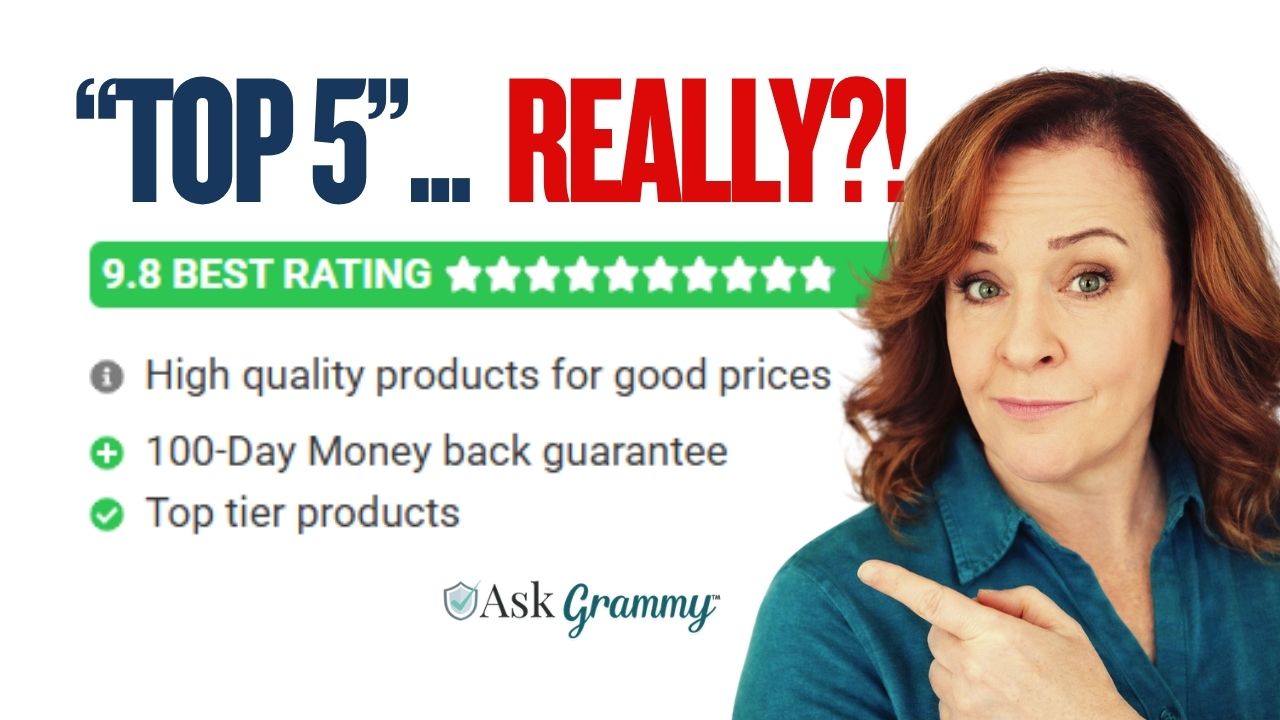
- “Top 5 Best Products of 2026”
- “Editor’s Choice”
- “#1 Recommended”
It looks polished. Professional. Reassuring.
So you relax.
And that’s the moment the trap closes.
🎭 You’re Not Always Researching… You May Be Being Guided
Some sites are designed to feel independent.
But instead of helping you compare options, they quietly guide you toward a single outcome.
Every product is rated highly.
Every link leads to a place to buy.
Every path ends at a checkout page.
That’s not research.
That’s a funnel.
⚖️ Not All Review Sites Are the Same
Now, let’s be fair – this isn’t all black and white.
There are different types of review sites out there.
1. Affiliate-Based Review Sites
Sites like TopTenReviews or BestAdvisor.com often earn money when you click and buy.
That’s called affiliate marketing.
It doesn’t automatically mean the information is wrong…
but it does mean there’s a financial incentive behind the recommendations.
In other words:
Anytime money is made when you click or buy… that’s part of the story.
2. “Review-Looking” Sites That Raise Questions
Then there are sites like bestadvisor.review.
At first glance, they look like helpful review platforms.
But look a little closer:
- No clear company behind the site
- Overwhelmingly positive ratings
- Little evidence of real testing
- Links that consistently lead to purchase pages
These sites may not be independent reviewers at all.
They may simply be part of the same system designed to move you from curiosity… to purchase.
A Subtle Trick: Familiar Names
Here’s something most people miss.
There’s a long-established site called BestAdvisor.com.
And then there’s bestadvisor.review.
At a glance, they feel similar.
And that’s the point.
Most of us don’t study web addresses – we glance at them.
So when something looks close enough, our brain fills in the rest.
Close enough to look right…
but not close enough to be trustworthy.
Where AI Comes In
This problem is growing – and AI is part of the reason.
Today, it’s easy to create:
- Polished product descriptions
- Professional-looking “review” pages
- Entire websites that feel legitimate
But underneath that polish?
No real testing.
No accountability.
No obligation to tell you the truth.
🚩 Red Flags to Watch For
If you land on a review site, take a quick second and look for these:
- Every product is rated 4.5–5 stars
- No clear author or company behind the site
- No real-world photos or testing details
- The same site reviews everything (from kitchen gadgets to electronics)
- Every link leads you straight to a place to buy
If all roads lead to “Buy Now”… you’re not researching – you’re being guided.
✅ What to Do Instead
The good news? There are better ways to check reviews.
Start with more transparent sources:
- Consumer Reports
- Wirecutter
- RTINGS.com
- CNET
These sites tell you:
- How they test
- Who is behind the review
- How they make money
That matters.
And here’s one of my favorite simple tricks:
Google the product name… and add the word “reviews.”
That will often bring up:
- Reddit discussions
- Forums
- Real customer experiences
Now – take those with a grain of salt too. People tend to post when they’re unhappy.
But you’ll start to see patterns.
And patterns don’t lie.
💬 A Quick Reality Check
There’s nothing wrong with checking reviews.
Just make sure the review site isn’t working harder to sell than to inform.
Because these days…
Not everything that looks like research… actually is.
❤️ A Note from Grammy
If you’ve ever had a “what I ordered vs. what I got” experience, you’re not alone.
And you’re not foolish.
These systems are designed to look convincing.
The goal isn’t to become suspicious of everything – it’s to become just a little more aware.
And that awareness?
That’s what keeps you safe.
📣 CALL TO ACTION
Have you run into one of these sites – or had a product show up looking nothing like the picture?
Tell me in the comments under the YouTube video, or drop me an email. Your story could help someone else avoid the same mistake.